
Technical depth can get you the FAANG interview. Clear communication about judgment calls gets you the offer. Most candidates fail the second part because they mistake having strong examples for knowing how to deliver them.
The problem isn't your stories.
The problem is articulating complex situations concisely when someone is evaluating every word. You've led cross-team projects, made complex trade-offs, and owned production incidents. But when the interviewer asks about influencing without authority, your answer shouldn’t meander through irrelevant context.
FAANG behavioral interviews follow a structured, evidence-based approach (the STAR method) that lets hiring teams compare candidates side by side for traits like ownership, influence, and decision-making at scale.
Senior engineers fail them because they can't structure answers demonstrating staff-level judgment in under a few minutes. What makes FAANG different: they're evaluating whether you can operate at an organizational scale with minimal direction.
This guide breaks down key FAANG behavioral questions you're almost guaranteed to face, dissects weak responses, and supplies senior-level STAR examples that map directly to FAANG leadership principles. You'll learn to deliver answers as intentional as your code.
1. Tell me about a time you influenced without authority
FAANG interviewers ask this relentlessly because every company evaluates cross-org influence. Amazon calls it "Earn Trust," Google looks for collaborative "Googleyness," and Meta emphasizes building relationships across boundaries. The real test: can you build consensus among peers who don't report to you?
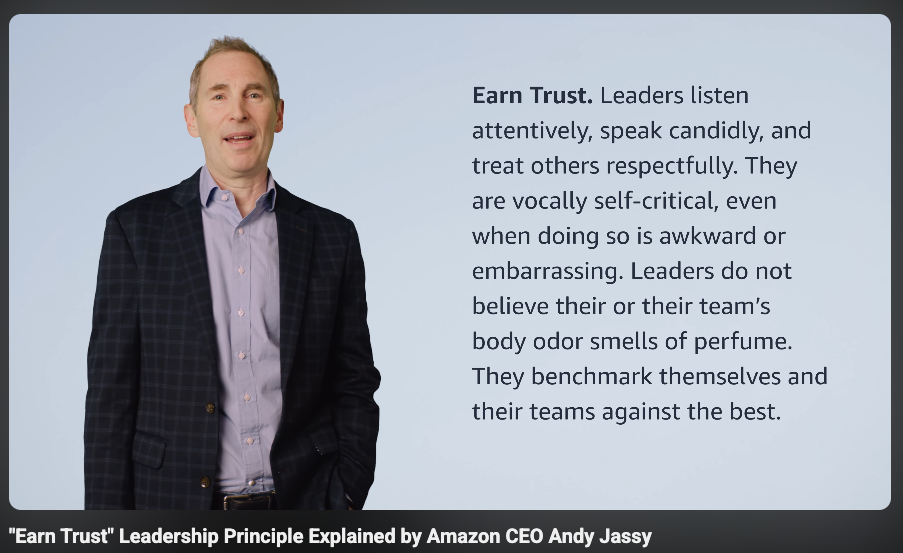
They're evaluating whether you understand stakeholder incentives, build data-backed arguments, and deliver measurable results without hierarchical power.
Most candidates recognize the direct question but miss the disguised versions. Interviewers rotate through variants to see if you've memorized one answer or genuinely understand cross-functional influence.
Here are common variants that probe the same core skill:
- Describe aligning cross-team priorities: Tests whether you can broker an agreement when teams have legitimate but competing needs.
- Give an example of persuading senior leadership to change direction: Evaluates your ability to influence upward without formal authority.
- Tell me about convincing another team to adopt your technical approach: Probes whether you build consensus through technical credibility rather than mandate.
Most answers fail because they confuse hierarchy with influence.
Bad STAR example (what not to do)
Here's a typical response that looks reasonable but demonstrates the opposite of what FAANG wants:
- Situation: Two teams disputed API ownership
- Task: Needed a quick decision to unblock development
- Action: Escalated to VP immediately for ruling
- Result: VP made a decision, and both teams complied
Why this fails: No influence shown — just hierarchy. Both teams felt overruled, damaging future collaboration. You demonstrated an inability to resolve peer conflicts.
Good senior-level STAR example
Strong answers show you built consensus through data, credibility, and shared success metrics.
This response demonstrates senior-level influence:
Situation: Privacy regulation update threatened the partner team's Q4 launch timeline. Our security requirements would delay their release by 4 weeks, risking the $3M revenue target.
Task: Align both teams on a compliant solution without delaying partner launch or compromising security standards.
Action: Hosted a joint risk workshop identifying shared success metrics, built a prototype proving compliance could work incrementally within one sprint, and proposed a phased rollout matching their schedule while maintaining security controls.
Result: Partner team adopted the approach, reducing the projected delay from 4 weeks to 2. Launch succeeded on an adjusted timeline, hitting 94% of the revenue target. User retention improved 8% due to stronger privacy controls.
Framework keys: Name the specific conflict up front, show how you earned credibility through data or prototypes, and quantify mutual business benefits.
2. Describe a time you disagreed with your manager or leadership
FAANG companies probe disagreement scenarios to distinguish between senior engineers who push back constructively and those who either mindlessly comply or constantly rebel. Amazon explicitly values "Disagree and Commit" — arguing hard on facts, then executing hard once the decision is made.
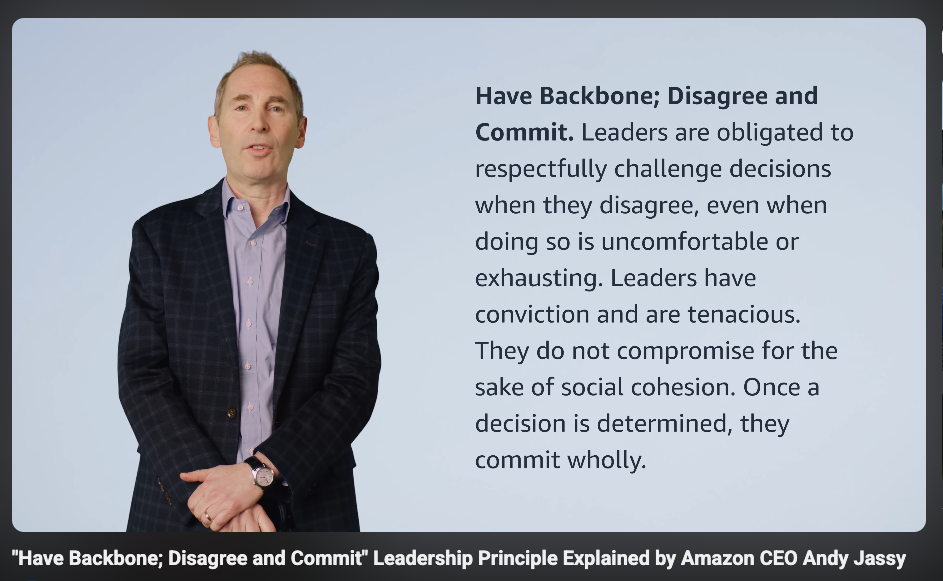
During the question, they're evaluating three capabilities:
- Whether you ground debate in data rather than ego
- Whether you maintain relationships during disagreement
- Whether you commit fully after decisions are made
Common variants of this question include:
- Have you ever disagreed with your manager, what happened: Tests your ability to challenge decisions while maintaining professional relationships.
- Tell me about challenging a team decision: Evaluates whether you speak up when you see problems or stay silent to avoid conflict.
- Describe pushing back on an unrealistic deadline: Probes your judgment about when to negotiate scope versus when to find creative solutions.
The question appears in multiple forms, each testing whether you can challenge decisions constructively while maintaining professional relationships.
Bad STAR example (what not to do)
Most answers fail because they show a complaint without collaboration or an inability to commit after decisions.
This response demonstrates poor conflict navigation:
- Situation: The release plan looked risky to me
- Task: Convince PM to delay launch
- Action: Argued in meetings, complained to teammates when overruled
- Result: Launch happened with some defects, and the relationship with PM deteriorated
Why this fails: Shows you complained without offering solutions, damaged relationships through backdoor conversations, and didn't commit after the decision. Signals poor collaboration.
Good senior-level STAR example
Strong answers demonstrate data-driven debate, coalition-building, and full commitment once decisions are made:
Situation: Latency-critical feature scheduled for peak holiday season. As the tech lead, I assessed implementation feasibility and identified a 40% risk of an outage under projected load.
Task: Advocate for a safer approach without appearing obstructive to business goals.
Action: Ran comprehensive load tests documenting specific failure scenarios. Proposed phased rollout starting with 5% traffic, invited SRE input during executive review, committed to full rollout if pilot succeeded.
Result: Leadership adopted a phased plan. Pilot revealed edge case we'd missed—fixed before full rollout. Peak traffic held steady; the feature contributed to 7% revenue growth. Publicly praised the PM for the collaborative approach.
Framework keys: Disagree with quantified data, not opinions, invite cross-functional perspectives to build a coalition, and become the strongest champion once the decision is made.
3. Tell me about your biggest technical failure
When FAANG interviewers ask about failure, they're testing accountability and a growth mindset. Past behavior can predict future performance, and this question reveals whether you own up to your mistakes or deflect blame.
They're evaluating three dimensions:
- Whether you take full responsibility for your role
- Whether you extract concrete lessons from failure
- Whether you build systematic safeguards to prevent similar failures
Here are key variants that probe the same assessment:
- Tell me about a project that went off the rails: Tests your honesty about what went wrong and your specific contribution.
- Describe a time you broke production: Evaluates whether you panic under pressure or respond systematically.
- Share a mistake that cost the team time or money: Probes your ability to quantify impact and learn from expensive lessons.
The question comes in many forms, but the evaluation criteria stay constant.
Bad STAR example (what not to do)
Weak answers deflect responsibility or minimize impact.
This response shows exactly what hiring managers screen out:
- Situation: Deployment script failed during release
- Task: Get the system back online
- Action: Helped the ops team roll back to the previous version
- Result: Met the deadline after some delays
Why this fails: Dodges personal responsibility (blamed ops), provides no failure metrics, and offers no prevention plan. The interviewer sees you deflecting blame.
Good senior-level STAR example
Exceptional answers own the mistake fully, quantify damage honestly, and show systematic prevention.
This demonstrates the accountability FAANG values:
Situation: I authorized a schema change to optimize query performance without adequately testing on production-scale data. Migration corrupted 1.2 billion rows in our primary transactions table.
Task: Restore data integrity and prevent user impact while identifying the root cause.
Action: Immediately halted writes, assembled a cross-functional emergency team, and wrote a recovery script validating each row against backup. Communicated hourly status updates to leadership and affected teams.
Result: Restored 98.4% of records within four hours. Permanent data loss affected only 0.02% of transactions ($18K revenue impact). Built automated migration validation requiring load testing on production-scale copies. The system has since blocked nine potentially catastrophic deployments.
Framework keys: Own your specific mistake, quantify impact honestly, and show systematic learning that protects the organization long-term.
4. Give me an example of customer obsession or user impact
Amazon's first leadership principle (customer obsession) runs deep at most FAANG companies. Interviewers probe whether you start with users and work backward, or whether you optimize for technical elegance disconnected from user needs.
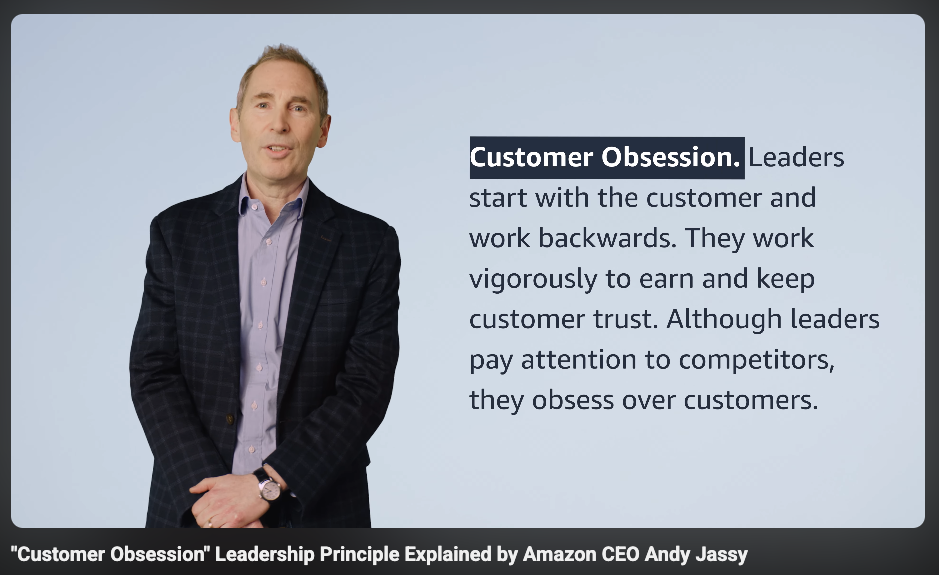
They're testing whether you truly understand your audience and can translate insight into measurable value.
Here are common variants that target the same evaluation:
- Tell me about a time you built something users loved: Tests whether you validate user satisfaction beyond your own assumptions.
- Describe a feature you killed after talking to customers: Evaluates your willingness to abandon work when user research contradicts your beliefs.
- How have you balanced technical debt with user needs: Probes whether you prioritize user value over architectural purity.
Interviewers test whether you truly start with users or just claim to.
Bad STAR example (what not to do)
Failed responses celebrate technical achievement while ignoring user impact.
This answer demonstrates the disconnect interviewers watch for:
- Situation: Service performance needs improvement
- Task: Migrate to Kubernetes for better scalability
- Action: Led six-month migration, reduced server costs
- Result: System runs more efficiently now
Why this fails: Never mentions users. Celebrates technical achievement without connecting to customer value. Shows you optimize for elegance, not impact.
Good senior-level STAR example
Compelling answers start with user pain, validate through behavior change, and quantify business impact:
Situation: User churn spiked 8% after the redesigned sign-up flow. Analytics showed a drop-off at the payment screen, but we'd assumed that a streamlined UI would improve conversion rates.
Task: Identify user friction and fix the root cause, not symptoms.
Action: Commissioned qualitative user interviews revealed that the required credit card entry created trust barriers for first-time users. Championed an experiment removing the payment requirement until after the first successful experience. Built a monitoring dashboard tracking friction points.
Result: Onboarding completion jumped from 62% to 91%. Reduced churn by 12% quarter-over-quarter, adding $4.2M annual revenue. Dashboard caught three subsequent friction points before they impacted conversion.
Framework keys: Name specific user pain points, connect every action to changing user behavior, and quantify business outcome in dollars or user metrics.
5. Describe how you mentor or develop others
FAANG companies expect senior engineers to multiply impact through others. Amazon's "Hire and Develop the Best" principle explicitly measures this in performance reviews. This question reveals whether you scale through people or remain an individual contributor.
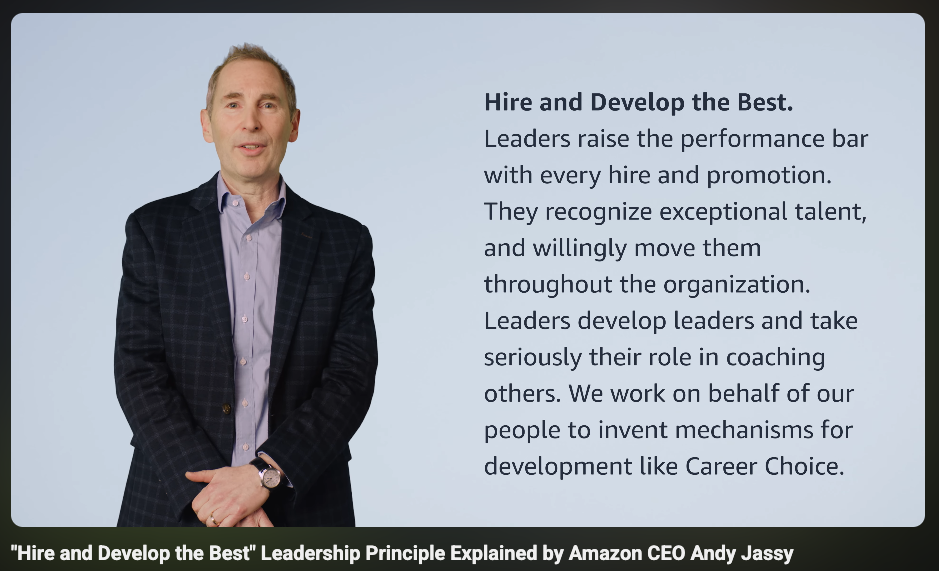
They're evaluating whether you create systematic learning programs or just help individuals on a casual basis.
Here are other variants that test the same capability:
- Tell us about coaching a teammate to success: Probes whether you build repeatable development systems or offer one-off help.
- Have you helped a junior engineer overcome a challenge: Tests whether you teach problem-solving frameworks or just solve problems for them.
- Describe building technical capability across teams: Evaluates your ability to scale learning beyond your direct reports.
These variants all test whether you multiply impact beyond your direct involvement.
Bad STAR example (what not to do)
Inadequate responses lack a systematic approach to individual help.
This answer shows why casual mentoring fails the senior engineer bar:
- Situation: New hire struggled with code reviews
- Task: Help them improve
- Action: Had weekly 1:1s, paired on PRs regularly
- Result: They got better over time
Why this fails: Describes individual help with no systematic approach, no metrics, and centers on your effort rather than scalable impact.
Good senior-level STAR example
Strong responses show repeatable programs that scale beyond your direct involvement.
This demonstrates systematic capability building:
Situation: Onboarding delays pushed the team's roadmap back by 3 weeks. New engineers took 30 days to deliver their first meaningful PR due to an inconsistent ramp-up process.
Task: Systematize onboarding to accelerate time-to-productivity for all future hires.
Action: Built a structured two-hour architecture workshop, paired each new engineer with a rotating "buddy" for the first month, created a checklist cutting the first PR review time in half, and documented tribal knowledge in a searchable wiki.
Result: Onboarding time dropped from 30 to 14 days. Team recovered lost sprint, saving an estimated 120 engineering hours that quarter. The program adopted by two other teams accelerated 18 engineers in total. Three participants were promoted to senior positions within 18 months, citing structured exposure as a factor.
Framework keys: Identify systematic friction points, demonstrate repeatable program design, quantify the number of people who benefited, and demonstrate sustainability beyond your involvement.
6. Tell me about a period when you worked under tight deadlines or high pressure
This question tests whether you maintain judgment quality when the stakes are high. FAANG interviewers want evidence of conscious trade-off thinking and strategic scope negotiation — not heroic all-nighters that aren't sustainable.
They're evaluating whether you balance urgency with quality, communicate risks transparently, and protect the long-term health of the codebase.
Common variants probe the same judgment:
- Describe delivering an essential feature on an impossible timeline: Tests whether you negotiate scope or just work longer hours.
- Tell me about a crisis that demanded long hours — how did you handle it: Evaluates whether you create sustainable solutions or celebrate unsustainable heroics.
- Give an example of meeting a hard deadline without sacrificing quality: Probes your ability to make explicit trade-offs rather than accumulating hidden technical debt.
Interviewers probe whether you maintain judgment under time pressure or just work harder.
Bad STAR example (what not to do)
Weak answers celebrate unsustainable heroics without addressing systemic problems.
This response shows the red flags interviewers watch for:
- Situation: Critical feature needed for product launch
- Task: Ship on time, no matter what
- Action: Team worked nights and weekends, hard-coded configurations
- Result: Launched on schedule
Why this fails: Celebrates unsustainable hours without addressing systemic problems; accumulates technical debt invisibly; no mention of quality impact or a debt paydown plan.
Good senior-level STAR example
Practical answers show explicit trade-offs, quality protection in critical paths, and planned debt retirement:
Situation: Partner team promised customer launch in 6 weeks. The standard implementation required 10 weeks, given the feature's complexity and testing requirements.
Task: Deliver enough functionality to satisfy customer commitments without accumulating catastrophic technical debt.
Action: Decomposed requirements with product, pushed non-critical analytics to follow-up sprint, added automated load tests for critical paths, documented all shortcuts with assigned owners and Q4 paydown schedule.
Result: Shipped core functionality one day early. On-call pages dropped 40% due to focused testing. Follow-up sprint cleared documented debt within four weeks as planned. Partner expanded contract based on reliability.
Framework keys: Name explicit trade-offs made, show how you maintained quality in critical paths, and demonstrate you planned debt retirement from the start.
7. Give me an example of when you drove innovation or took calculated risks
This question separates senior engineers who optimize existing systems from those who identify new opportunities. Amazon's "Invent and Simplify" and Google's "Think Big" explicitly value this capability.
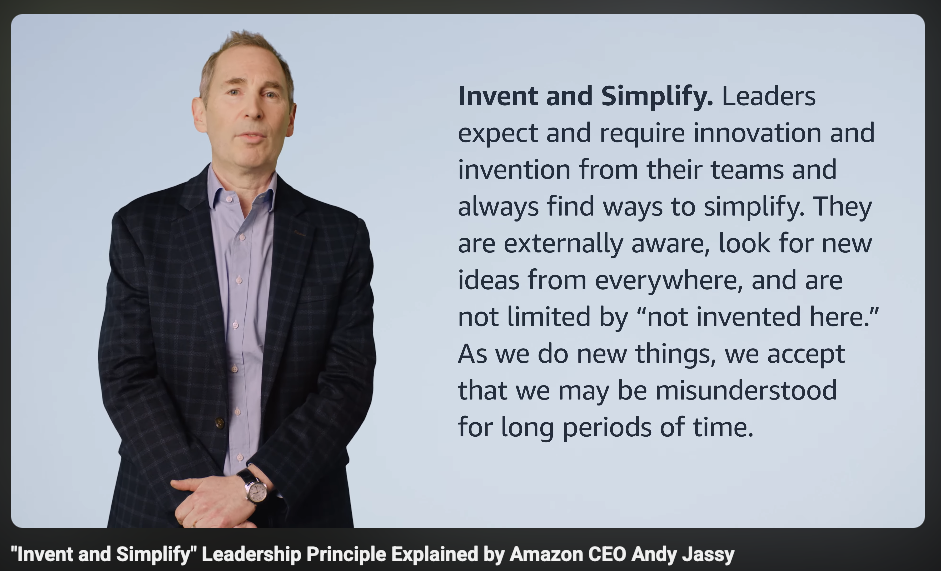
Interviewers want proof that you can spot high-value opportunities and experiment intelligently. They're testing whether you can validate assumptions cheaply, quantify risk versus reward, and make reversible initial bets.
Here are common variants that target the same assessment:
- Tell me about championing a new idea that wasn't widely supported: Tests your ability to build a case for innovation despite organizational skepticism.
- Describe a calculated risk you took that paid off: Evaluates whether you experiment systematically or bet the company recklessly.
- How do you decide when to use new technology: Probes your framework for assessing hype versus actual value.
All versions test whether you validate assumptions cheaply before making big bets.
Bad STAR example (what not to do)
Failed responses conflate personal learning with business value.
This answer demonstrates the reckless experimentation interviewers screen against:
- Situation: Wanted to learn Rust
- Task: Use it in production
- Action: Rewrote the service in Rust over three months
- Result: Performance improved by 30%
Why this fails: Personal learning goal with no business justification, ignores migration costs, provides no risk mitigation, unclear if performance improvement mattered to users.
Good senior-level STAR example
Superior answers show constrained experiments, quantified risk-reward analysis, and reversible initial bets.
This demonstrates systematic innovation:
Situation: Recommendation system required 24-hour batch processing, preventing same-day personalization for new users. Real-time processing seemed prohibitively expensive at the projected scale.
Task: Validate whether streaming recommendations could work within cost constraints before committing engineering quarters.
Action: Built a proof-of-concept using Kafka and Flink on 5% of traffic. Measured latency, cost per recommendation, and conversion lift. Ran for two weeks collecting data before deciding.
Result: Streaming added 8ms of latency but increased new-user conversion by 12%. Infrastructure costs rose 30%, but ROI was 4x higher due to conversion lift. Rolled out to 100% traffic over six weeks — an architecture pattern adopted by three other teams.
Framework keys: Start with user or business pain, validate assumptions cheaply through a constrained experiment, quantify risk and reward with numbers, and keep the initial bet reversible.
Contribute to AGI development at DataAnnotation
AI training at platforms like DataAnnotation operates at the unlimited quality ceiling that FAANG companies value. If your background includes technical expertise, domain knowledge, or the critical thinking to evaluate complex trade-offs, this work positions you at the frontier of AI capabilities development.
DataAnnotation's coding projects, starting at $40+ per hour, connect you with the AI training frontier. Your evaluation judgments on code quality, algorithmic elegance, and edge case handling directly influence whether training runs advance model reasoning or optimize for the wrong objectives. Over 100,000 remote workers have contributed to this infrastructure.
If you want in, getting from interested to earning takes five straightforward steps:
- Visit the DataAnnotation application page and click "Apply"
- Fill out the brief form with your background and availability
- Complete the Starter Assessment, which tests your critical thinking and coding skills
- Check your inbox for the approval decision (typically within a few days)
- Log in to your dashboard, choose your first project, and start earning
No signup fees. DataAnnotation stays selective to maintain quality standards. You can only take the Starter Assessment once, so read the instructions carefully and review before submitting.
Apply to DataAnnotation if you understand why quality beats volume in advancing frontier AI — and you have the expertise to contribute.
.jpeg)