
You write code. That's the easy part to describe. The hard part: explaining what your code does and where it runs.
Web developers build for browsers. However, software programmers build for everything else. Both write logic, both solve problems, but the constraints differ completely. Web developers think in HTTP requests, DOM manipulation, and responsive layouts. Software programmers think in terms of memory management, platform APIs, and computational efficiency.
The distinction matters because the problems you learn to solve determine which technical challenges you can take on — and which roles will waste your skills or expose gaps in your expertise.
This guide explains how web developers and software programmers diverge in technical focus, tools, project scope, work environment, and specialization paths.
5 key differences between a web developer and a software programmer
Both web developer and software programmer roles involve writing code, but the similarities end there. The daily tools, technical challenges, and career trajectory depend entirely on which path you choose.
Here’s how the roles compare:
Technical focus and domain expertise
Web developers specialize in browser-based technologies. As a web developer, you master HTML for structure, CSS for styling, and JavaScript for interactivity. Your world revolves around responsive design, cross-browser compatibility, and web performance optimization. Understanding how Chrome renders differently from Safari becomes second nature.
Software programmers work across multiple platforms. As a software programmer, you write code for desktop applications, mobile apps, embedded systems, or enterprise software. Your focus stays on logic, algorithms, and data structures. Visual presentation rarely concerns you. You might spend weeks optimizing a sorting algorithm without touching a single UI element.
This specialization difference shapes everything from your daily tools to your learning path.
Tools and technology stack
Web developers live in browser developer tools and code editors optimized for web languages. You work with frameworks like React, Vue, or Angular. CSS preprocessors, webpack configurations, and npm packages fill your workflow. Testing means checking responsive layouts across devices and debugging JavaScript in browser consoles.
Software programmers use IDEs suited for compiled languages. Debuggers help you trace complex logic, and version control enables you to manage large codebases. Your toolkit includes compilers, performance analysis profilers, and unit and integration testing frameworks. You debug memory leaks and optimize computational efficiency.
The technology stack determines which problems you solve and which skills remain valuable throughout your career.
Project scope and end product
Web developers build what users see and interact with directly. As a web developer, you create e-commerce sites, web applications, content management systems, and interactive dashboards. Your work lives in browsers, accessible via URLs. Users judge it immediately on visual appeal and usability.
Software programmers create applications that run on desktops, phones, servers, and specialized hardware. As a software programmer, you build desktop productivity software, mobile applications, game engines, or data processing pipelines.
Your code might run on servers, smartphones, IoT devices, or specialized hardware. Users rarely see your work directly but depend on it functioning reliably. The end product shapes how you think about problems and measure success.
Work environment and collaboration
Web developers collaborate heavily with designers, UX specialists, and marketing teams. You translate mockups into functional interfaces, implement brand guidelines, and optimize conversion funnels. Client feedback focuses on look, feel, and user experience. Iterations happen rapidly based on user testing and analytics.
Software programmers work primarily with other developers, product managers, and systems architects. Discussions center on data structures, algorithm efficiency, and system integration. You translate client needs into technical specifications before writing code. Changes require more planning due to dependencies across larger systems.
Your collaboration style influences daily work satisfaction and career development.
Specialization pathways and career growth
Web developers typically specialize further in frontend, backend, or full-stack roles. Frontend specialists master advanced CSS techniques and JavaScript frameworks. Backend developers focus on server technologies, databases, and APIs. Full-stack developers handle both, commanding premium rates for their versatility.
Software programmers often specialize by domain or language. You might become an expert in Python for data processing, C++ for performance-critical applications, or Java for enterprise systems. Some focus on specific industries like finance, healthcare, or gaming, building deep expertise in domain-specific requirements.
Specialization determines your market value and which opportunities remain accessible as you advance.
Skills and core responsibilities
Web developers build responsive interfaces and server-side systems that power modern websites. Your work spans both what users see in browsers and the backend logic that makes applications function:
- HTML and CSS mastery: Write semantic HTML to structure content and create visual layouts with CSS. Build responsive designs that adapt seamlessly across desktop, tablet, and mobile devices.
- JavaScript and frameworks: Add interactivity with JavaScript and master frontend frameworks such as React, Vue, or Angular. Manage application state, handle routing, and build component-based architectures.
- Server-side development: Build RESTful APIs with Node.js, PHP, Ruby, or Python. Connect frontend interfaces to databases, implement authentication systems, and securely manage user sessions.
As a software programmer, your work focuses on implementing logic, optimizing performance, and building reliable systems:
- Multi-language proficiency: Write, test, and debug code in languages chosen for specific platforms. Master multiple programming paradigms, including object-oriented, functional, and procedural approaches.
- Algorithm and data structure implementation: Understand data structures and algorithms that optimize program efficiency. Break complex problems into manageable functions and modules while handling edge cases gracefully.
- Platform-specific expertise: Work with compiled languages requiring memory management, type systems, and platform-specific APIs. Alternatively, master scripting languages for rapid prototyping and system automation.
Software programming demands precision and logical thinking across varied technical domains, with skills that remain valuable regardless of platform trends or technology shifts.
Career paths
Most web developers start in specialized roles before broadening their expertise.
Here’s how careers typically progress:
- Junior web developer: Build user interfaces from design mockups using HTML, CSS, and JavaScript. Learn component-based frameworks and responsive design principles while working under senior guidance.
- Senior web developer: Lead technical implementations for complex web applications. Review code from junior developers, establish coding standards, and mentor team members while solving the most challenging technical problems.
- Technical lead: Define technical direction for web projects and development teams. Make high-level architectural decisions, evaluate new technologies, and ensure applications scale to meet growing user demands.
Software programming careers diversify based on platform, language, and domain expertise:
- Junior programmer: Implement assigned features in established codebases under senior supervision. Learn language syntax, development tools, and team workflows while building fundamental programming skills.
- Software programmer: Own complete feature implementations from design to testing. Make decisions about data structures, algorithms, and code organization while maintaining consistent quality standards.
- Senior programmer: Solve complex technical challenges requiring deep language expertise. Optimize performance-critical code, debug complex issues, and mentor junior team members while maintaining high productivity.
Career advancement depends on building expertise in valuable languages and domains.
Beyond code syntax: why the platform determines which problems you learn to solve instinctively
Web developers and software programmers both write conditionals, loops, and functions. Both debug logic errors and architect systems. The syntax overlaps.
When you build for browsers, you inherit a specific set of constraints: network latency, varying screen sizes, inconsistent JavaScript implementations across browsers, and limited control over the execution environment.
When you build for other platforms (desktop, mobile, embedded systems), you inherit different constraints: memory management, platform-specific APIs, direct hardware interaction, and performance optimization without network buffers.
These constraints determine which skills compound over time and which expertise becomes second nature.
How platform constraints shape developer instincts
The platform you work in doesn't just decide which technologies you use. It shapes how you think about problems.
Web developers instinctively think about distribution: how code travels over networks, how interfaces adapt to contexts, how applications degrade when dependencies fail. When you see a feature requirement, you immediately ask: Does this work offline? How much JavaScript does this add to the bundle? Does this break on mobile?
Software programmers instinctively think about control: how memory is managed, how efficiently algorithms execute, how systems interface with hardware. You see a feature requirement and immediately consider: what's the computational complexity? How much memory does this allocate? Does this create race conditions?
Neither instinct is better. They're optimized for different constraints.
Why domain expertise doesn't transfer directly across platforms
This is why experienced web developers often struggle when moving to systems programming — not because they can't learn C++ or Rust, but because the problems they've trained to anticipate (network failures, browser inconsistencies, responsive design) don't apply.
The new failure modes (memory management, concurrency, platform APIs) require the development of entirely different pattern recognition.
The reverse is equally valid. Experienced systems programmers moving to web development bring valuable instincts about performance and reliability, but often over-engineer simple interfaces because they're optimizing for problems that don't exist in browsers.
They write algorithmically perfect code that ships 500KB of JavaScript when a 20KB solution would work better for web constraints.
The skills overlap. The syntax is learnable. But the judgment about what matters — what can go wrong, what needs optimization, what's premature abstraction versus necessary infrastructure — comes from years of encountering platform-specific failures.
The question isn't which platform is more technically sophisticated. The question is which class of problems you want to become expert at solving — and which failure modes you want to learn to prevent instinctively.
How AI training provides an alternative for expert developers and programmers
At this point, almost every coder has encountered AI-generated code. You've probably used it to write boilerplate, debug issues, or explore unfamiliar libraries. The code works sometimes. Other times, it confidently produces solutions that fail in subtle ways.
That gap between "code that compiles" and "code you'd actually ship"? Companies will pay you to evaluate it.
Models improve by learning from expert developers and programmers who can articulate that gap — who can explain not just that generated code is wrong, but why it's wrong and what would make it better.
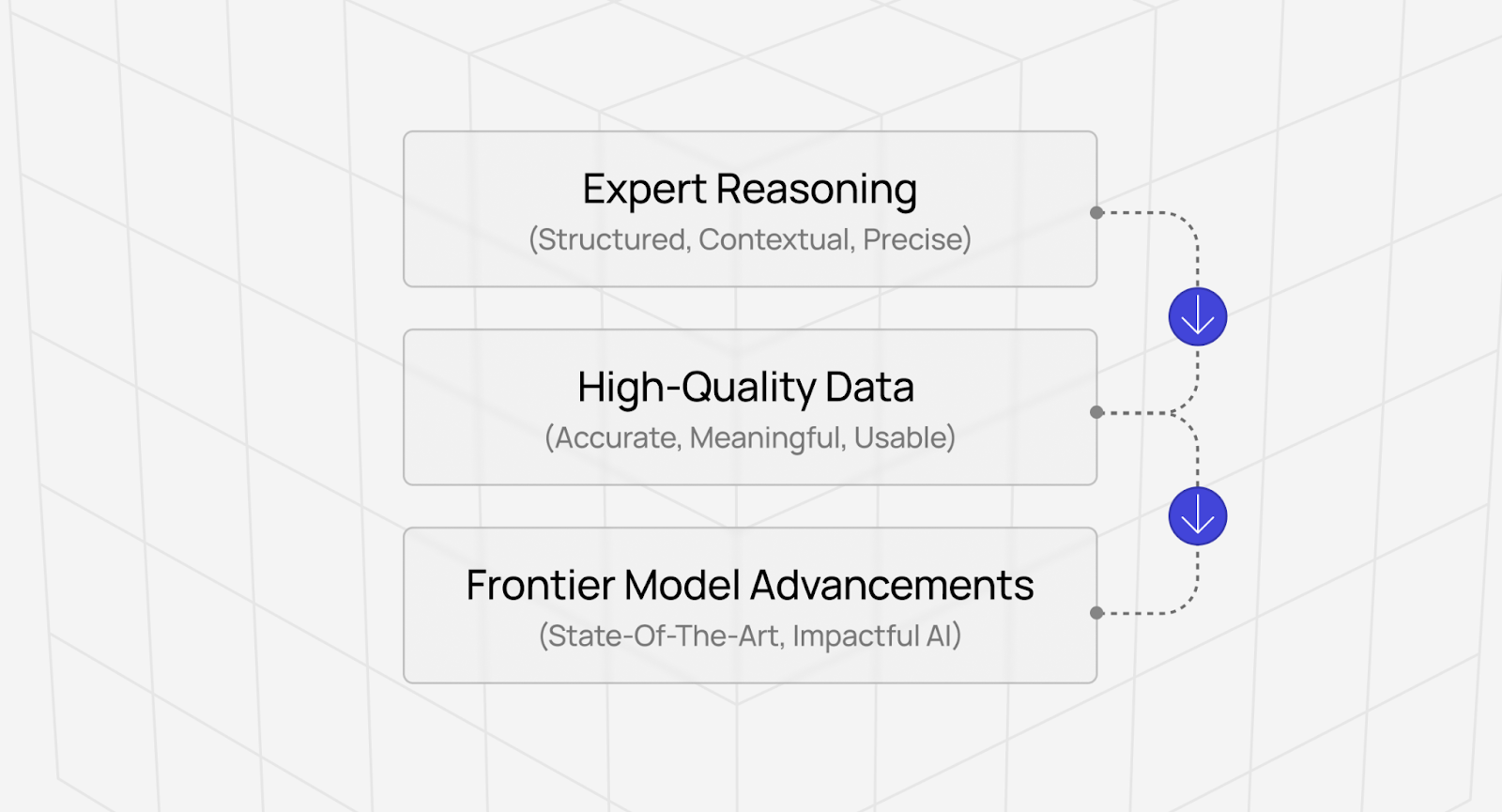
This isn't about job security or protecting your role from automation. It's about actively shaping what AI coding tools become capable of. The professionals evaluating AI-generated code today directly influence what models can build tomorrow.
How to get an AI training job?
At DataAnnotation, we operate one of the world’s largest AI training marketplaces with over 100,000 AI trainers working remotely. To source AI trainers, we operate a tiered qualification system that validates expertise and rewards demonstrated performance.

Entry starts with a Starter Assessment that typically takes about an hour to complete. This isn't a resume screen or a credential check — it's a performance-based evaluation that assesses your ability to do the work.
Pass it, and coding projects start at $40 per hour for code evaluation and AI performance assessment across Python, JavaScript, HTML, C++, C#, SQL, and other languages.
You can choose your work hours. You can work daily, weekly, or whenever projects fit your schedule. There are no minimum hour requirements, no mandatory login schedules, and no penalties for taking time away when other priorities demand attention.
The work here at DataAnnotation fits your life rather than controlling it.
Explore premium coding projects at DataAnnotation
If you want to work where code quality determines frontier AI advancement, at DataAnnotation, we‘re at the forefront of AGI development, where your judgment determines whether billion-dollar training runs advance capabilities or optimize for the wrong objectives.
When you evaluate AI-generated code, your preference judgments influence how models balance helpfulness against truthfulness, how they handle ambiguous requests, and whether they develop reasoning capabilities that generalize or just memorize patterns.
This work shapes systems that millions of people will interact with.
If you want in, getting started is straightforward:
- Visit the DataAnnotation application page and click “Apply”
- Fill out the brief form with your background and availability
- Complete the Starter Assessment
- Check your inbox for the approval decision (which should arrive within a few days)
- Log in to your dashboard, choose your first project, and start earning
No signup fees. We stay selective to maintain quality standards. Just remember: you can only take the Starter Assessment once, so prepare thoroughly before starting.
Apply to DataAnnotation if you understand why quality beats volume in advancing frontier AI — and you have the expertise to contribute.
.jpeg)