
CHEMISTRY
Contribute to the Future of Chemistry Research
The models shaping the future of AI are only as rigorous as the chemists behind them. Apply your expertise where it matters, and get paid to do it.
Starting at $50-$100+/hr
Rates
$50–$100
+/hr

Your expertise drives real Al progress.
Rigorous work. Real impact. Fair pay.
.svg)
This is not busywork.
The largest language models in the world still confuse reaction mechanisms with memorized templates. You're the feedback loop that fixes this — one mechanism at a time.
Three steps.
No overhead.
Apply & Qualify
Complete a short chemistry assessment. We evaluate your ability to reason through reaction mechanisms, identify flawed retrosynthetic analyses, and apply chemical intuition. No resume required — your work speaks.
Get Matched
Based on your background and assessment results, you're matched to projects in your areas of strength. Organic synthesis, computational chemistry, biochemistry, materials science — you choose what fits.
Work & Get Paid
Complete tasks on your own schedule. Each task has clear specifications and a defined scope. Payment is per-task, processed weekly, starting at $40/hour.
What you'll actually do.
Write a prompt
Craft chemistry prompts designed to probe model reasoning, or review and improve prompts already on the platform. Not trivia, but problems that expose conceptual misunderstandings about bonding, reactivity, and thermodynamics.
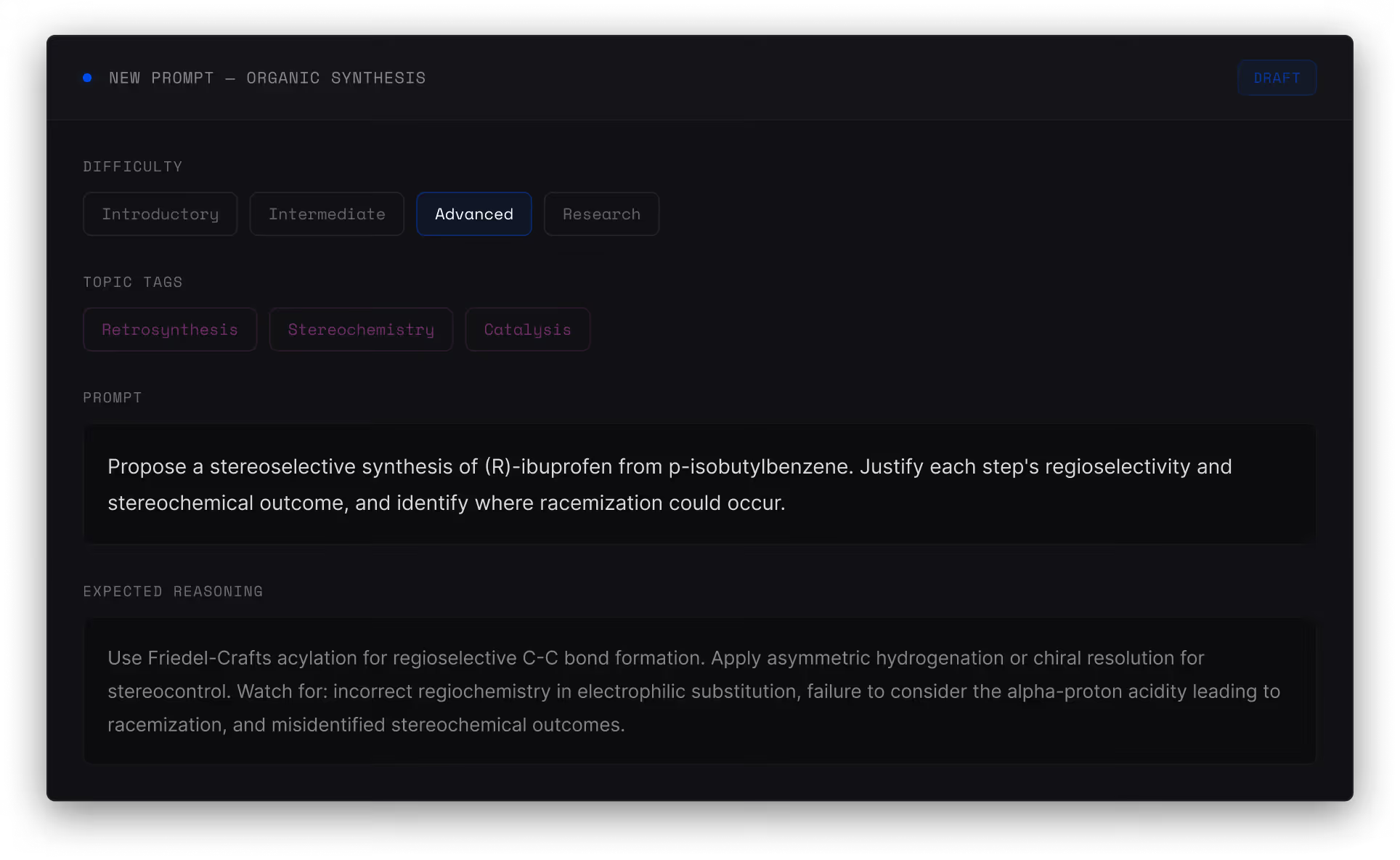
Review AI output
Evaluate AI-generated responses to chemistry problems. Identify errors in reasoning, incomplete arguments, and conceptual gaps across a range of difficulty levels and subfields.
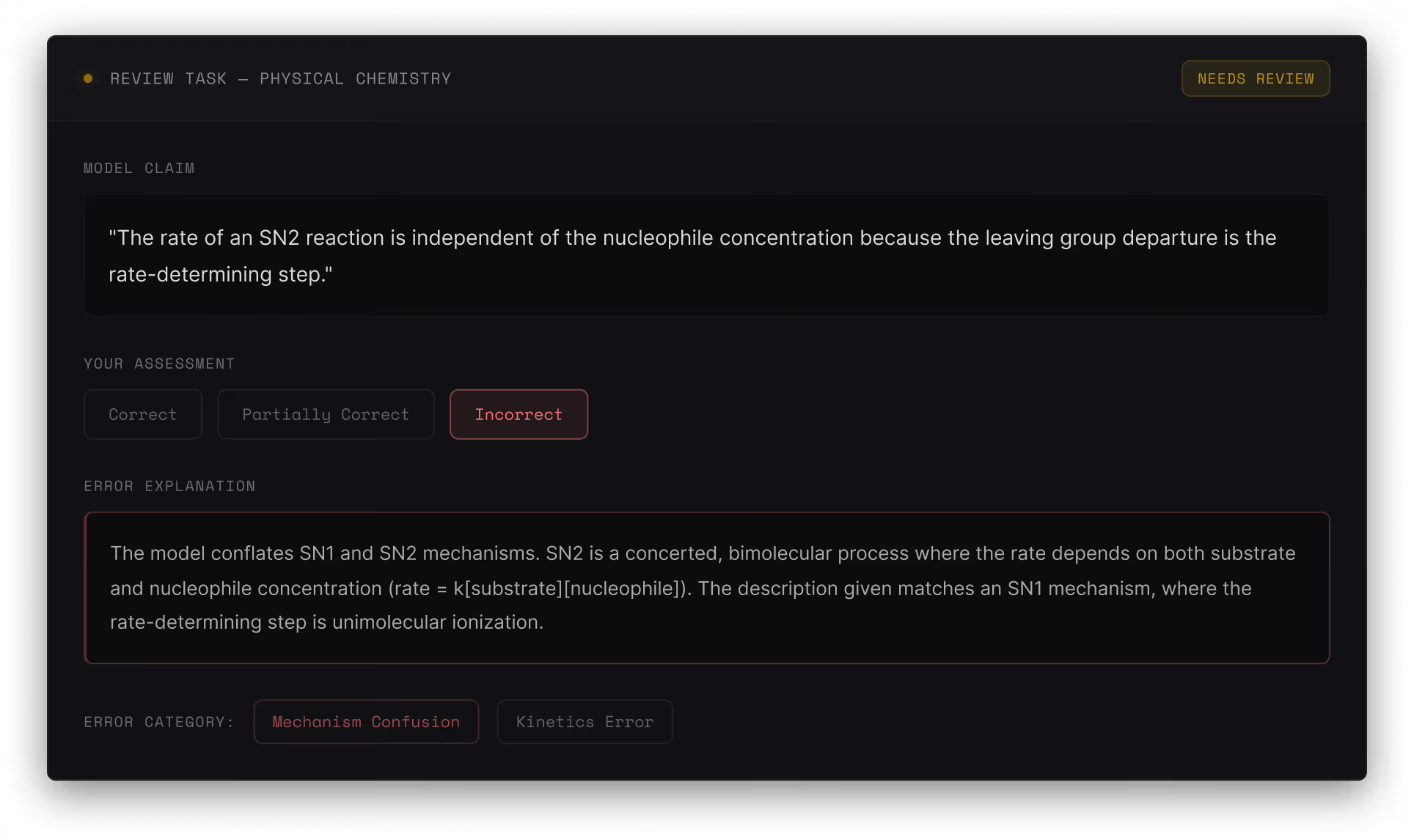
Write the correct solution
When a problem requires it, write a complete solution that demonstrates correct chemical reasoning. This helps the model learn what rigorous thinking actually looks like.
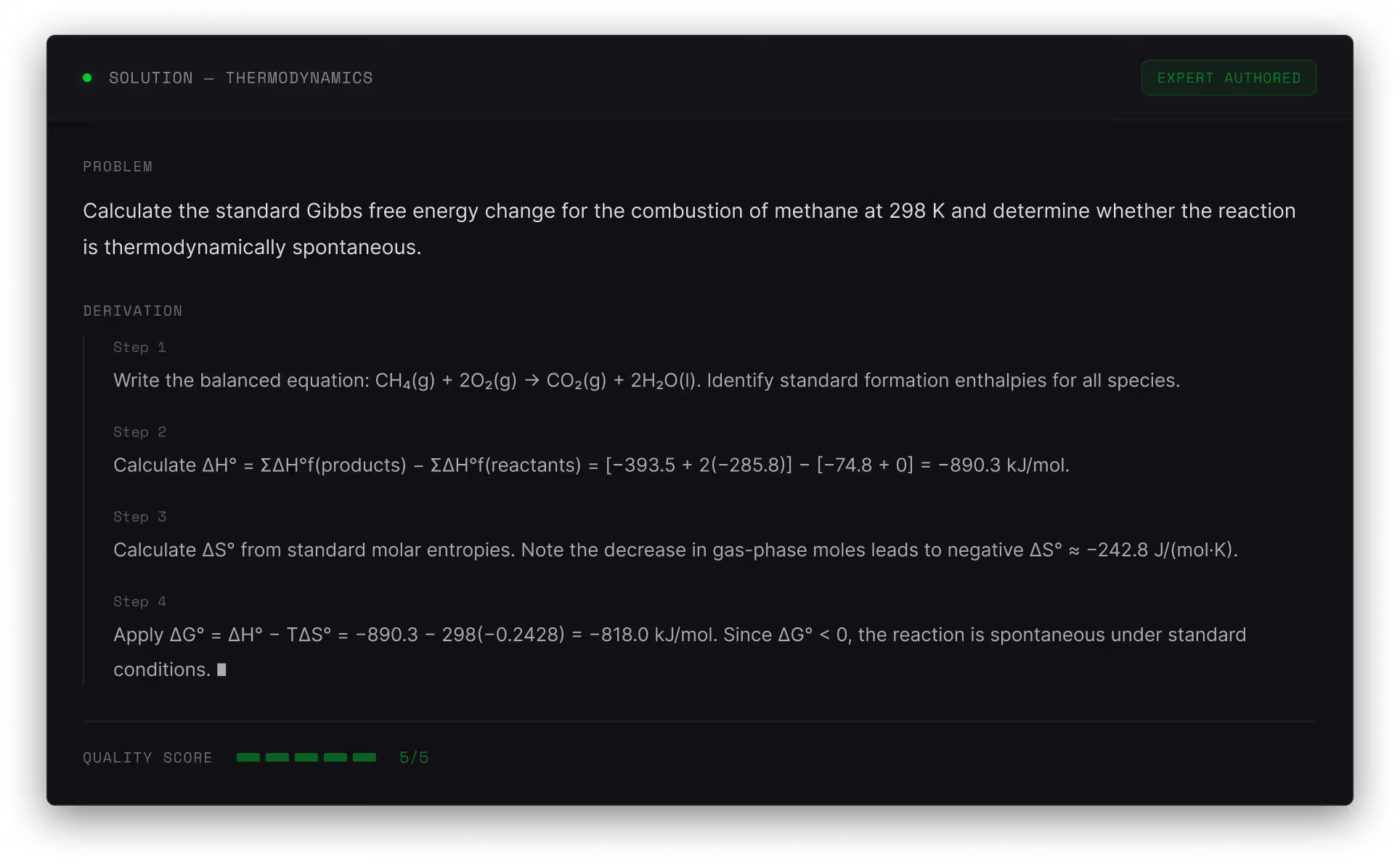
Where models need you most.
These are the areas where current AI systems consistently struggle. Your expertise addresses the hardest open problems in chemical reasoning, and your assessment determines where you start, not where you're limited. Contributors regularly work across multiple subfields and difficulty levels.
Organic Synthesis & Retrosynthesis
Evaluate retrosynthetic analyses, multi-step synthesis proposals, and stereochemical outcomes. Check for regioselectivity errors, protecting group logic, and feasibility of proposed transformations.
Physical & Computational Chemistry
Review quantum chemical calculations, thermodynamic derivations, and kinetic analyses. Verify orbital symmetry arguments, transition state geometries, and free energy calculations.
Inorganic & Coordination Chemistry
Assess crystal field theory applications, coordination complex analyses, and organometallic reaction mechanisms. Verify electron counting, symmetry labels, and spectroscopic predictions.
Biochemistry & Chemical Biology
Verify enzyme mechanism proposals, metabolic pathway analyses, and structure-activity relationships. Check for correct protonation states, hydrogen bonding patterns, and catalytic residue identification.
Analytical & Materials Chemistry
Evaluate reasoning about electrochemical systems, polymer behavior, and environmental chemistry applications. Check for errors in reaction feasibility, degradation mechanisms, and quantitative reasoning.
Paid to contributors
Expert annotators
Annotations completed
Built for people who think in molecules.
Graduate Students
PhD and Master’s candidates in organic, inorganic, physical, or analytical chemistry.
Chemistry Olympiad Competitors
National or international competition experience in chemistry problem solving, including IChO or USNCO level work.
Research Chemists
Active or former researchers applying deep domain knowledge to AI training.
Applied Chemistry Professionals
Engineers with rigorous chemistry foundations working in materials, pharma, or energy.
.png)
r/DataAnnotationTech
u/NaToKy24
What I love most about DA: it's an actual meritocracy

What I absolutely love about working at DA is the meritocracy. The higher the quality of your work, the higher the reward.
Creating complex coding scenarios, doing deep analysis of models, and synthesizing results are all part of my daily routine, and I love it.
r/DataAnnotationTech
u/textartguy
Belated Milestone Post

Been working since March 2024. I honestly feel so lucky to have both found this job and to have been able to keep it for so long.
I thought I might make a few grand max at the start.
r/DataAnnotationTech
u/Sharp-Sherbert-4194
100K!
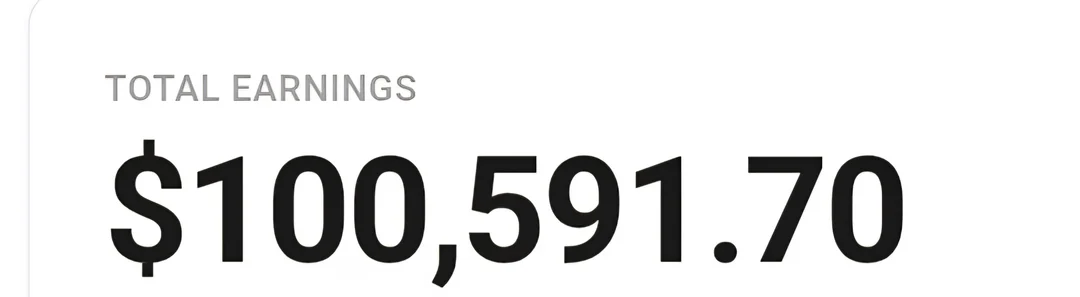
Hit 100k the other day! I do this full time. Not what I originally intended when I signed up, but I've managed so far.
I started as a generalist but I have coding work too.
r/DataAnnotationTech
u/Emelody_cellobabe
DA has seriously changed my life
This work has opened up so many opportunities for me and is now enabling me to work full-time independently.
I started as a generalist, then passed the coding eval and have more often than not had plenty of work.
r/DataAnnotationTech
u/E13AN0R
Just hit 75k!!
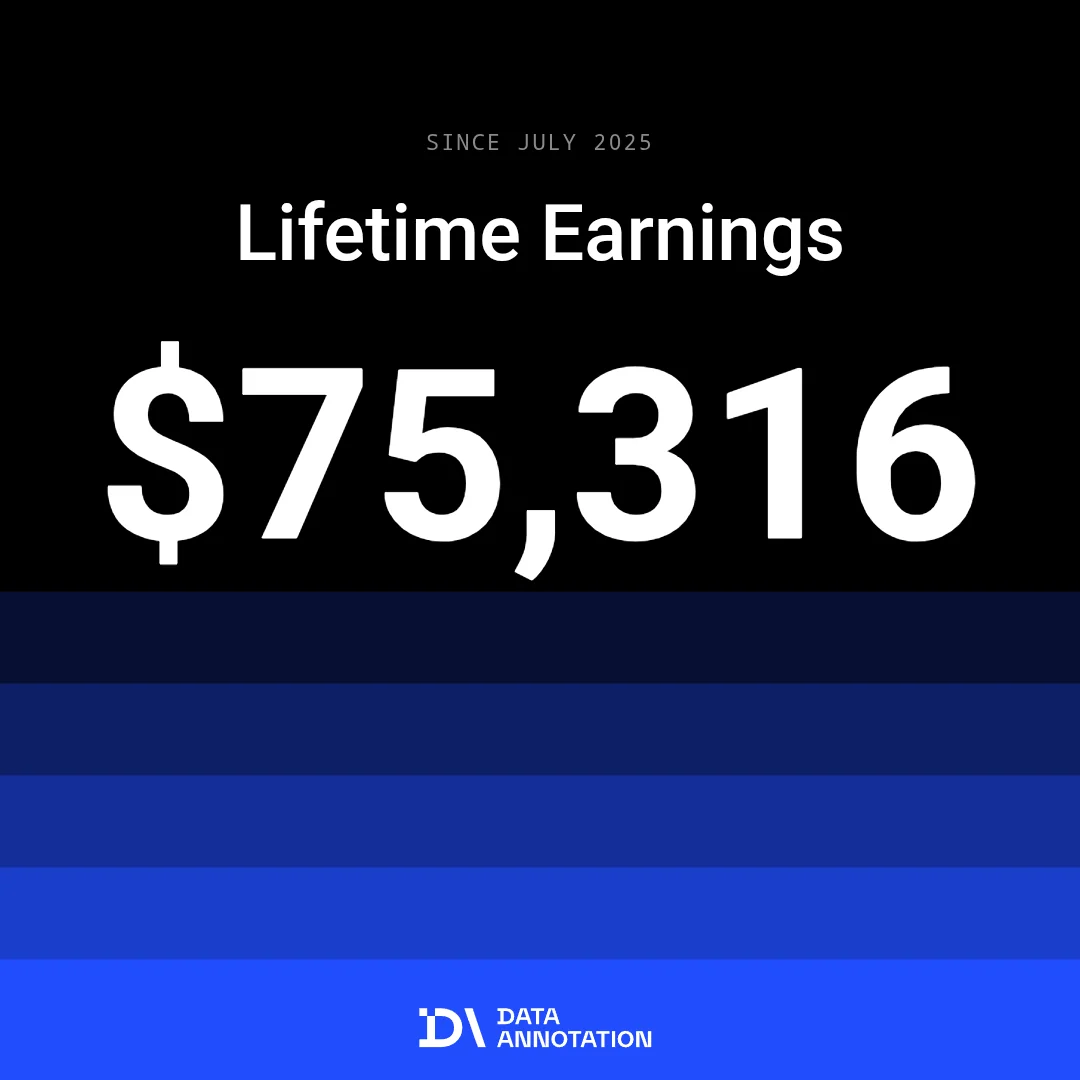
Started almost a year ago and have just hit this milestone :) I had just graduated from uni when I started doing this and it was a lifesaver whilst I was looking for graduate jobs.
I'm based in the UK and I have a Master's degree in physics so I do a mix of specialist stem, coding, and sometimes generalist projects.
r/DataAnnotationTech
u/LeatherScience633
DA saved me, and I wish I could say thanks
In just 2 months I have already paid off my debt that would have taken me around an year to pay back. I can also leave my extra jobs and actually focus on my passion instead.
Working for them has been the best thing to happen to me so far.
r/DataAnnotationTech
u/CharacterBlood1495
Hit the 10k mark in one month : )

I have earned 10k in a month (my first month started at the end of April). I needed this and will definitely continue working with them.
I plan to keep working and be able to pay for a masters maybe in the fall.
r/DataAnnotationTech
u/OhLemons
Broke 130k this month!
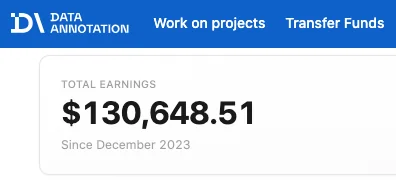
I love that I can switch between coding tasks and those with rubrics, and that the work is always changing, so it never gets boring.
The taxes hurt, but it is worth it to help support the services like free healthcare here in Canada.
r/DataAnnotationTech
u/paranormalisnormal
$40k - I Love You Data Annotation <3

Data Annotation has saved my ass financially and allowed me to help out my loved ones. Couldn't ask for a better job.
I've been working about 2-3 hours a day, 5 days a week, for just over 2 years.
r/DataAnnotationTech
u/PossibilityNo1696
200k Club
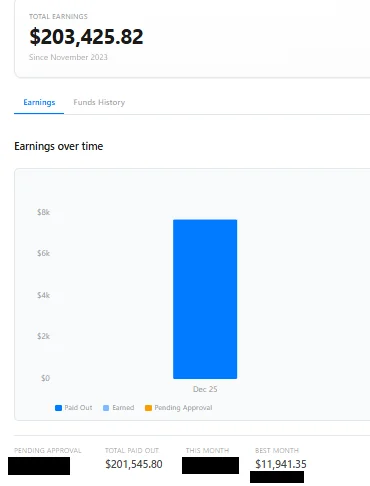
Treated DA as pretty much full time for the past 3 years and its been a god send for me.
I've saved a huge amount of money working from home, managed to work on a part time masters degree, and also been able to spend more time on myself.
r/DataAnnotationTech
u/Responsible-Fly-3808
My personal experience with DA [CODING]
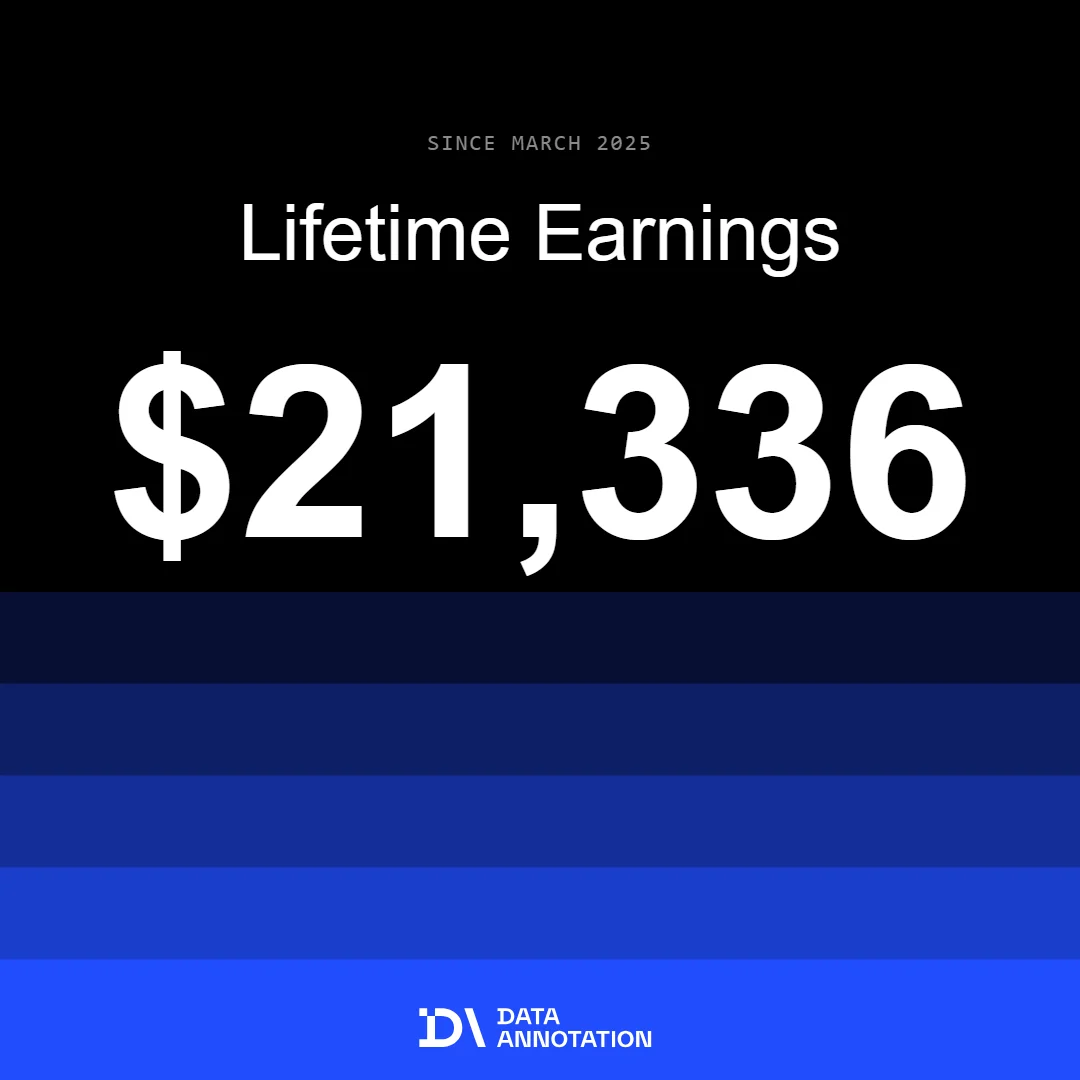
In less than 2 months I've made a little over $20k, which honestly still feels surreal typing out.
A lot of it feels like real engineering/problem-solving work — debugging code, evaluating implementations, reasoning about edge cases.
r/DataAnnotationTech
u/MCSquareGlobe
Actually can help pay student debt now
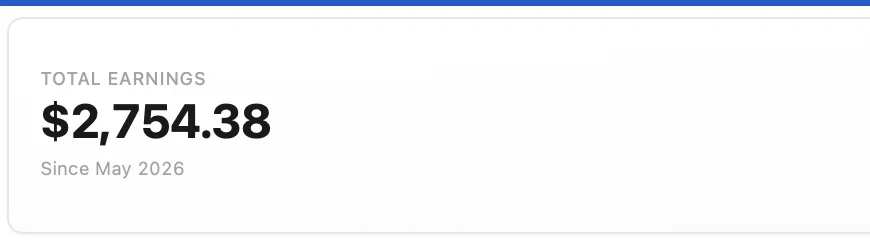
This made living as a grad student actually affordable. In 2 weeks I just over doubled what I normally make.
Half of what I need to do in grad school is writing, so writing practice has been well needed.
r/DataAnnotationTech
u/physicsandwolves
100k club
.png)
Thanks DAT, I've been able to live an awesome life because of this job. Traveled to 28 countries, built a wrap around deck for my mom, created a massive garden, and so much more!
You can do it too, keep up the good work people!
r/DataAnnotationTech
u/neverenoughpepper
Jumping on the Milestone bandwagon
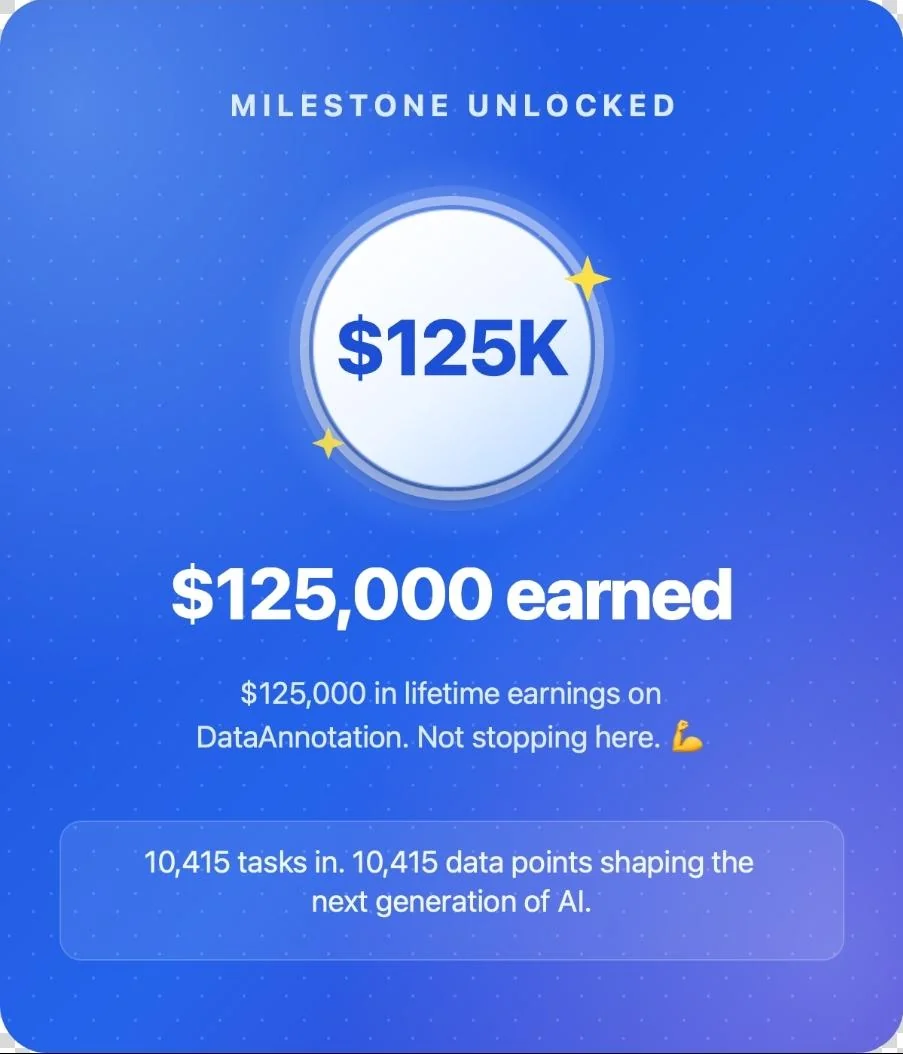
It's been a long, almost 3 year journey. Coder, self taught, and the first year or so was really, really tough. But I have no words for how thankful I am for DA.
I've had some amazing jobs in my life, but none compare to the constant challenges and rewards of this one.
Frequently Asked Questions
Have questions? Here we answer the most common questions.
You'll work on tasks that help AI perform better, like reviewing responses, checking accuracy, refining prompts, and rating outputs. No coding or technical background needed.
Projects vary but commonly include reviewing AI-generated text, ranking responses, checking facts, labeling data, and reviewing content in specific subject areas. All focused on improving real production AI systems.
This is ideal for people with strong reasoning skills, attention to detail, and subject-matter expertise who want flexible, remote work with real impact. Researchers, students, professionals, and independent contributors who enjoy analytical work and want to contribute to advancing AI systems.
This is a flexible, task-based contractor role. You work remotely on your own schedule, focused on output quality rather than hours logged. There is no long-term commitment required, and you can work as much or as little as you choose.
Get ahead in a changing workforce.
No recruiters. No interviews. Just meaningful work and real compensation.